
In many parts of the world, science and technology are still seen as far-away subjects—locked in books, labs, and elite classrooms. But according to UNESCO’s vision, STEM education is not just about creating future scientists—it’s about empowering every child with the tools to understand and shape their world.
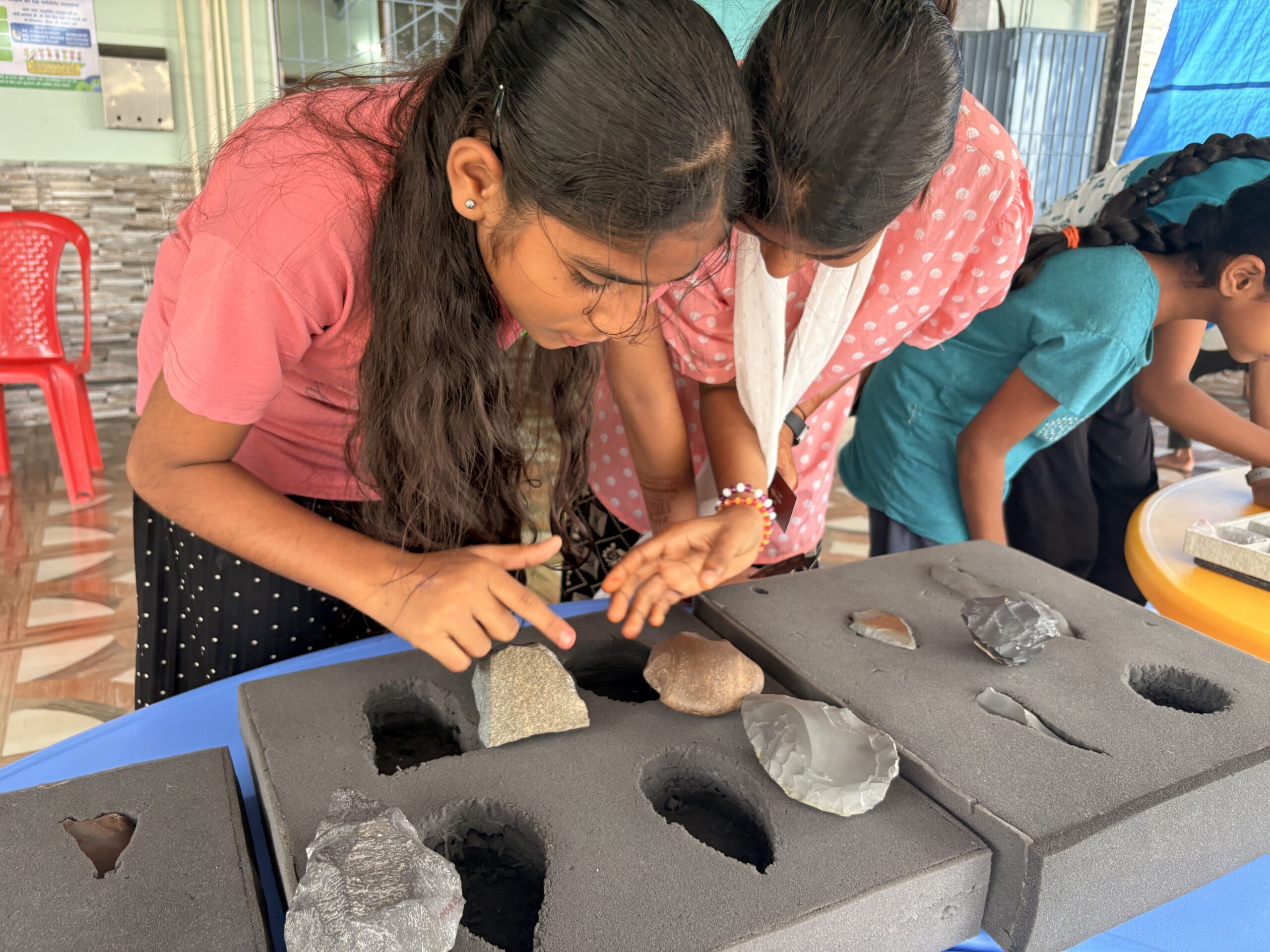
Hands-on learning through tinkering, making, and building is one of the most powerful and inclusive ways to teach STEM. When a child builds a simple model of a water filter, lights a bulb using a lemon battery, or connects a motor to make a fan, they’re not just understanding concepts they’re discovering confidence. They are realizing, “I can solve problems. I can invent. I belong in science.”
In underserved communities, where rote learning dominates and resources are limited, low-cost hands-on STEM becomes more than pedagogy it becomes a tool for equity. A plastic bottle becomes a rocket. Cardboard becomes a bridge. With these materials, students do more than complete tasks they explore, collaborate, and lead. Learning shifts from passive listening to active creating. And this shift is transformative.
UNESCO emphasizes that education must be inclusive, relevant, and engaging. Hands-on STEM does just that. It reaches learners who may struggle with abstract theories and offers them something real to touch, test, and question. It supports neurodiverse students, kinesthetic learners, and those who learn best by doing.
Moreover, hands-on STEM taps into local knowledge and everyday materials. It shows children that science isn’t just found in labs with white coats it’s in the way we boil water, use pulleys to lift loads, or grow plants on a rooftop. This context-rich, resourceful approach not only respects local culture it empowers it.
Programs like community science camps, mobile tinkering labs, and STEM corners in rural schools are already proving this model works. Children become excited about learning, teachers rediscover joy in teaching, and communities begin to see education as a collective effort.
As educators and changemakers, we must rethink what access to science really means. It’s not just about giving books and lab equipment it’s about giving children the space to explore their ideas with their hands and hearts.
Because in the end, STEM is not a subject for the few it’s a human right for all.